Home Window Tinting: Privacy, Energy, UV Protection
By
Bennett
Date
January 19, 2026
Read Time
4 min read
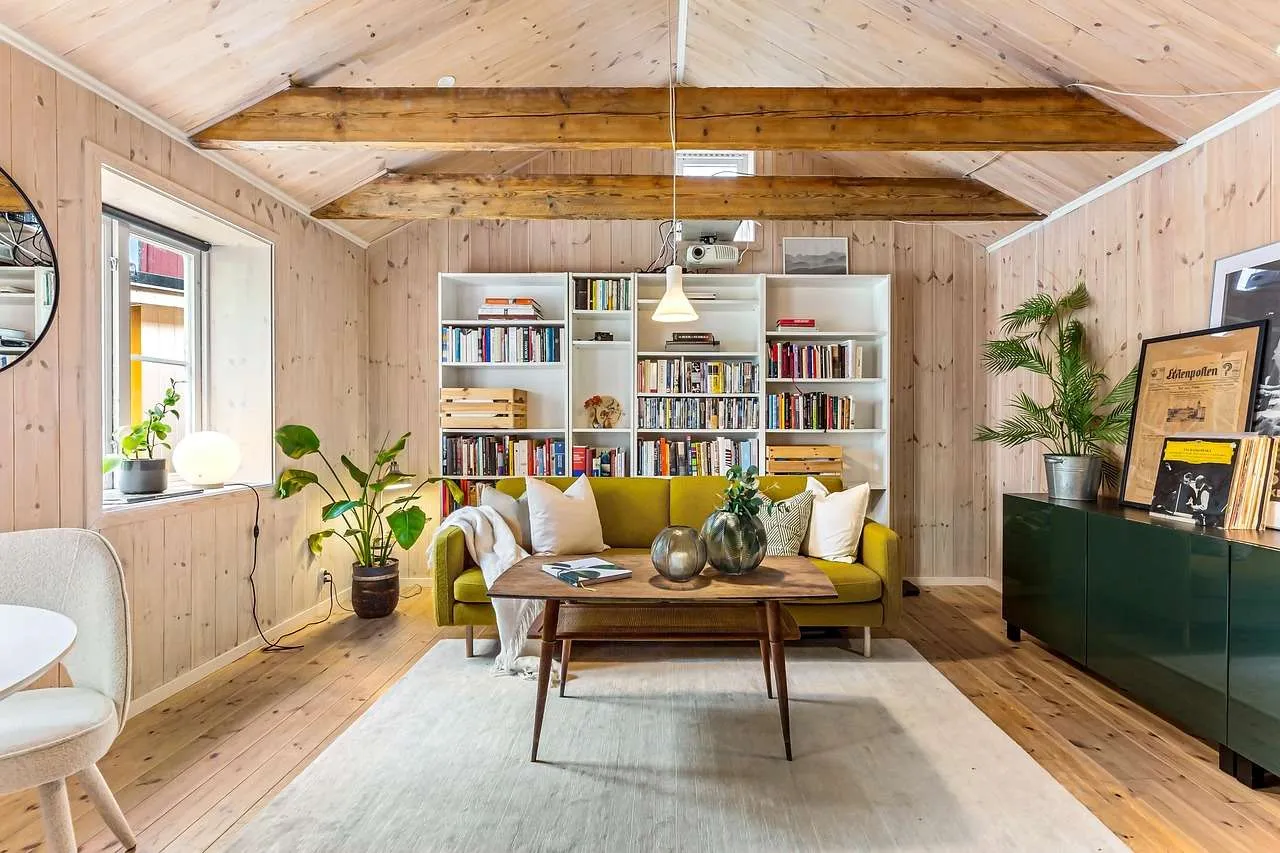
Home window tinting has become a popular upgrade for homeowners seeking comfort, privacy, and energy efficiency. Modern window films offer a balance of heat rejection, UV protection, and aesthetics without major remodeling.
Benefits of Home Window Tinting
- Energy savings: reduces heat gain in summer and helps maintain stable indoor temperatures.
- UV protection: blocks up to 99% of harmful ultraviolet rays, protecting furnishings and skin.
- Privacy and glare reduction: enhances comfort without sacrificing natural light.
- Safety and shatter resistance: some films add an extra layer to hold glass in place during impact.
- Maintenance and aesthetics: available in various tints and finishes to match design.
How Window Tinting Works
Window films are thin coatings applied to the interior surface of glass. The key spec is Visible Light Transmission (VLT), which indicates how much light the film lets in. Lower VLT means more darkness but greater heat rejection; higher VLT preserves daylight with moderate heat control. Some films also reflect infrared radiation or use ceramic particles to improve performance without metal-related interference to electronics.
Types of Window Film
Dyed Films
Inexpensive and effective for glare reduction, dyed films absorb heat and reduce brightness. Over time, they can fade or turn purple in some climates and may require replacement.
Metalized Films
These films incorporate metal layers to reflect heat. They offer strong heat rejection and durability but can interfere with GPS, cellular signals, or Wi‑Fi in some installations and darken the view.
Ceramic Films
Ceramic films use nonconductive particles to deliver high heat rejection with excellent clarity. They are typically more expensive but offer the best overall performance for homes with large glass areas.
Hybrid Films
Hybrid films blend dye and ceramic or metal components to balance performance and cost, often delivering good heat control with fewer signal interference issues.
Choosing the Right Tint
Consider your climate, sun exposure, and privacy needs. For rooms with intense sun, aim for a lower VLT (e.g., 20–40%) for stronger heat rejection, while living rooms facing shaded directions may use higher VLT (50–70%). Check local regulations—many areas restrict front-window tinting and require clear or lightly tinted glass on certain panes. Seek a reputable installer who can measure VLT, infrared rejection, and ensure proper installation to avoid bubbles or adhesive issues.
DIY vs Professional Installation
DIY tint kits are available but require careful cleaning, precise cutting, and static-free handling to avoid air pockets. Professional installation ensures even application, edge finishing, and warranty coverage. For large or multi-pane projects, professionals can recommend the best film type and warranty terms.
Cost and Return on Investment
Home window tinting costs vary by film type, window size, and region. Typical ranges are 6–12 dollars per square foot for DIY or 8–15 dollars per square foot installed by a pro. While ceramic and high-end films cost more upfront, the energy savings from reduced cooling loads can reduce utility bills by several percent year over year, often delivering payoff within 5–10 years depending on climate and home design.
Comparison of Popular Window Film Types
| Film Type | Heat Rejection | UV Protection | Privacy | Durability | Typical Cost | Pros | Cons |
|---|---|---|---|---|---|---|---|
| Dyed | Moderate | Good | Low–Moderate | Moderate | Lower | Affordable, glare reduction | Potential fading, color change over time |
| Metalized | High | Good | Moderate | High | Medium | Excellent heat control | Possible signal interference |
| Ceramic | Very High | Excellent | High | Excellent | Higher | Best clarity, no signals interference | Premium price |
| Hybrid | High | Very Good | Moderate | High | Mid | Balanced option | Not the absolute best in any single category |
Maintenance and Longevity
Clean tint films with a soft, non-abrasive cloth and a mild soap solution. Avoid ammonia-based cleaners as they can degrade some films and seals. Most films come with warranties ranging from 5 to 15 years depending on the brand and installation quality. Regular inspections for bubbling, peeling, or edge lifting help preserve performance.
To maximize EEAT and credibility, consult independent guides and request a portfolio of past installations from your chosen installer. A transparent estimator can explain the product, warranty terms, and expected energy savings with your climate data.
Conclusion, home window tinting is a practical upgrade when you select the right film for your climate, install it with a professional or a careful DIY plan, and maintain it properly. The benefits span comfort, privacy, and long-term protection of furnishings, making it a worthy addition to many homes.
Related Articles
Home Window Tinting Near Me: A Practical Guide
Read More >